

Trust Starts With a Data Flow You Can Explain
Oct 17, 2026
An AI product can produce a useful result and still leave a business buyer unsure. The concern may not be whether the model works. It may be what information enters the product, where that information goes, how it changes, and whether the team can explain what happened.
That creates a product challenge, not just a communications challenge. If the people building an AI system cannot clearly follow its data flow, they will struggle to give buyers a precise account of how information is handled. Trust is easier to support when data stewardship is visible in the design itself.
The trust gap is often a data-flow gap
A product team may understand its components individually without having one clear picture of how information moves between them. A buyer sees the consequence: unanswered questions about what is collected, which parts are used by the AI system, where transformations happen, and what records exist to show how information was handled.
A broad assurance that data is handled responsibly does not answer those questions. It may sound reassuring, but it gives a buyer little basis for evaluating the product’s actual behavior. For a B2B product, a credible explanation starts with the real flow—not with a general promise.
This distinction matters across the buying conversation. Technical leaders may want to follow the system’s stages. Business and operations leaders may need a clear explanation of what happens to information their organization provides. They do not necessarily need the same level of detail, but their questions should be answered from the same underlying account of the product.
Transparency, then, is not a final layer of wording added after the system is built. It is a design property. The ability to explain the product is a useful test of whether the team understands its data handling.
Start by mapping the actual flow
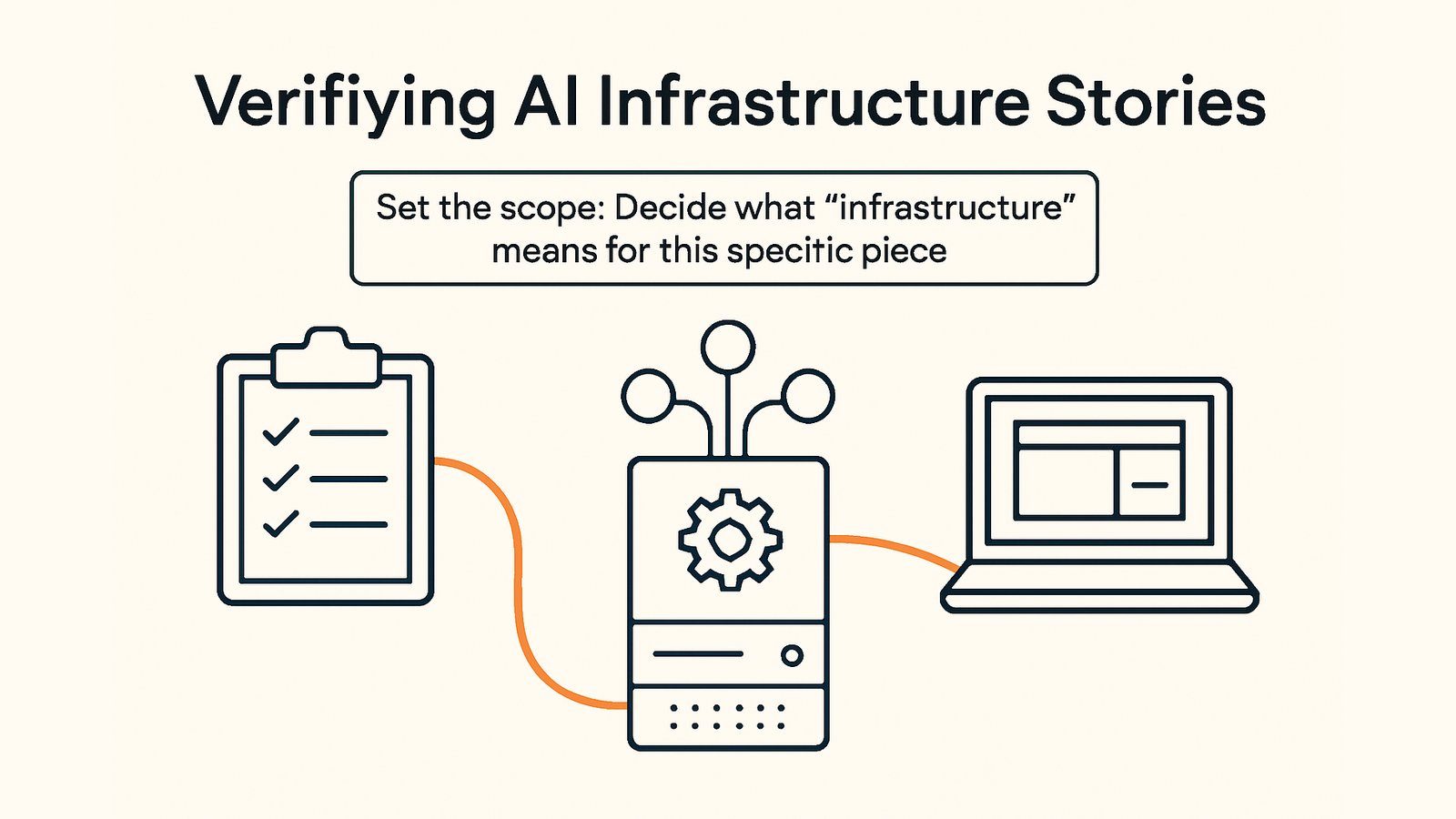
Begin with a map that follows information through the relevant parts of the product. Show where it enters, where it is used, and where it is transformed. Make the relationships between stages legible to both the people building the system and the people assessing it.
The aim is not a diagram that looks sophisticated. It is a useful record of how the product works. For example, a team might trace a user-provided input through an AI feature: from entry into the product, through processing or transformation, to the point at which the system uses it to produce an output. That is an illustrative way to structure a map, not a claim about any particular product architecture. The stages must reflect the system actually built.
As you map the flow, mark steps the team cannot yet describe. Perhaps it is unclear which component handles a particular step, or what happens between two stages. Those are not just documentation gaps. They are signals to investigate before presenting an explanation to buyers.
Keep the map current as the product changes. A diagram that describes an earlier version can mislead if the team continues to rely on it. Treat data-flow documentation as part of product maintenance: when the relevant system changes, review whether the map and the explanation still describe its behavior.
Ask whether each step needs the data
Mapping answers, “What happens to the data?” Minimization adds a second question: “Does this step need this data at all?”
Ask it at each stage. Does the product need all the information that enters? Does every component receiving data need every part of it? When information is transformed or used, could that stage work with less? These questions turn data minimization into an architectural review rather than a general intention.
Looking only at collection is not enough. A product could limit what it collects but still carry unnecessary information through later steps. Likewise, a clear map does not prove that the flow is restrained. A system can be transparent about moving more data than its functions require.
There is a real trade-off: data restraint has to be considered alongside product functionality. Teams should not claim that less data will work for every feature without examining the actual requirements. Instead, make the decision explicit at each stage. If a data element is needed for a product function, be prepared to explain the relationship. If it is not needed, do not carry it forward by default.
This gives product and engineering teams a practical review method: connect each data movement to a purpose. It also makes buyer discussions more concrete. The team can explain not only what moves through the product, but why a stage uses it.
Make usage and transformations traceable
A map shows the intended path through the architecture. An audit trail helps track data usage and transformations. They serve different purposes, and both matter: the map makes the design understandable; the trail helps establish a record of what happened.
For the team, traceability can support investigation and accountability. If a question arises about how information was handled, a record is more useful than relying on recollection alone. It can connect activity to the stages and transformations described in the architecture.
For buyers, the ability to explain what can be tracked helps make the discussion of stewardship more substantive. But an audit trail is not a guarantee of compliance or trust, and it does not eliminate every concern. It is a mechanism for making relevant handling more visible and reviewable.
Design tracking around questions the product needs to answer. Which data uses or transformations need to be traceable? How should the record connect to the mapped flow? How will the team keep the records and the explanation aligned? The right answers depend on the product. The useful first move is to define what needs to be traceable, rather than adding tracking without a clear purpose.
Turn the architecture into a buyer-ready explanation
Engineering documentation and buyer communication have different jobs. Internal documentation may need implementation detail. A buyer-facing account should be accurate while making the essential data path understandable.
Build that account from the architecture. Describe the relevant stages in plain language. Show the flow at a level that helps the reader follow it. Explain where the team has considered minimization and what uses or transformations can be tracked. Keep each statement tied to the system’s actual behavior. If a detail is not known or documented, do not replace the gap with a broad assurance.
This is also a way to test whether product behavior and product claims agree. If the team can describe a policy but cannot point to how the architecture supports it, something needs attention: the system, the documentation, or the claim. Communication should follow the product’s behavior, not stand in for it.
Clarity does not require sharing every implementation detail with every buyer. It does require preserving important distinctions. Explain what the product does, what is tracked, and what the explanation covers. Avoid presenting an intention as an established behavior or a limited account as a complete guarantee.
A four-question review for AI product teams
Use these questions to review an AI product’s data architecture and its buyer-facing explanation:
Can we map it? Show where data enters, how it moves, and where it is used or transformed. Resolve unclear steps before describing the system externally.
Can we justify it? At each stage, identify what data is needed for that purpose and whether less could serve the same function.
Can we trace it? Decide which uses and transformations need a record, and connect that capability to the mapped flow.
Can we explain it? Prepare an accurate account based on the architecture, using precise claims rather than unsupported assurances.
Treat these questions as a connected review, not four independent checks. Mapping shows where minimization questions belong. Minimization clarifies which movements need attention. Traceability helps the team examine what happened. The explanation then tests whether the system is understandable beyond the people who built it.
Clarity without oversimplification
The trade-off is not between complete technical detail and a reassuring summary. A useful explanation sits between them: clear enough to follow, specific enough to be meaningful, and careful enough not to claim more than the system supports.
That discipline also helps internal teams. Product, engineering, and business colleagues need a shared account of data handling if they are expected to explain it consistently. A current map, purposeful review of data needs, and defined traceability give them a common reference point instead of separate assumptions.
The practical standard is straightforward: explain what the product actually does, make relevant handling reviewable, and be clear about the limits of the explanation. Confidence comes from claims the team can support—not from making those claims sound absolute.
Final takeaway
For teams building AI-driven B2B products, trust is easier to support when data stewardship is visible in the design. Map the flow, question the need for data at every stage, make important uses and transformations traceable, and build the buyer explanation from the system that exists.
This will not remove every buyer concern. It gives buyers a grounded way to understand how their information is handled—and gives the product team a clear basis for answering questions without relying on vague assurances.
Related Post
Latest Post

A formula leaves key choices unstated; define inputs, shapes, operation semantics, and edge behavior...
Oct 17, 2026



Subscribe Us
Subscribe To My Latest Posts & Product Launches